The First Row of the Northwest Passage in a Single Season

Most say it can’t be done. The window is tight.

This is not ocean rowing as we know it.

EXPEDITION DATE: SUMMER 2028

Six rowing attempts over the last fifteen years. The ice stopped every one of them. Boats holed, seasons run out, crews airlifted home to try again next year. One man managed it solo, but it took him three summers and two Arctic winters.

We think it can be done in one. Not because the Arctic has become forgiving, but because we’ve studied every attempt that came before us and built the entire expedition around why they failed. A boat designed to be fast but also robust enough to be dragged over rock and ice when the sea won’t let us stay on it. Shore camps with bear watches while storms pass over us. A power system that doesn’t care when there’s thick fog and no sun.

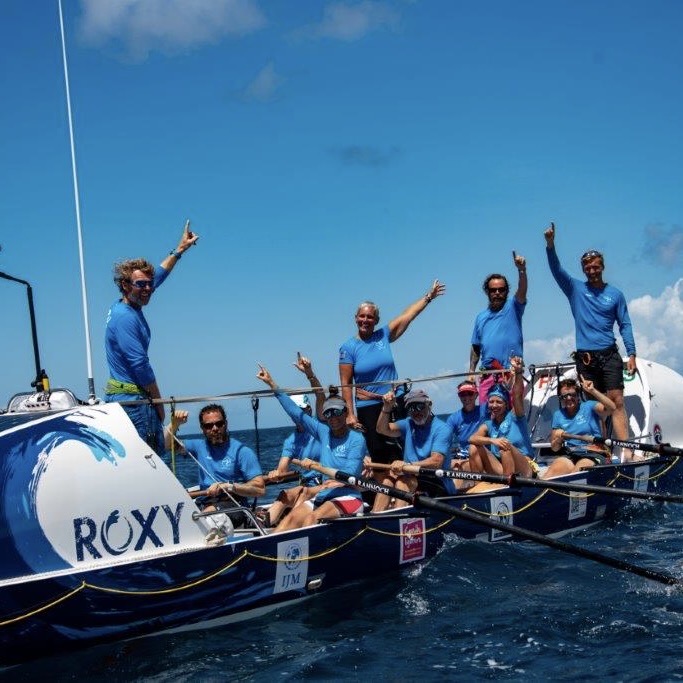
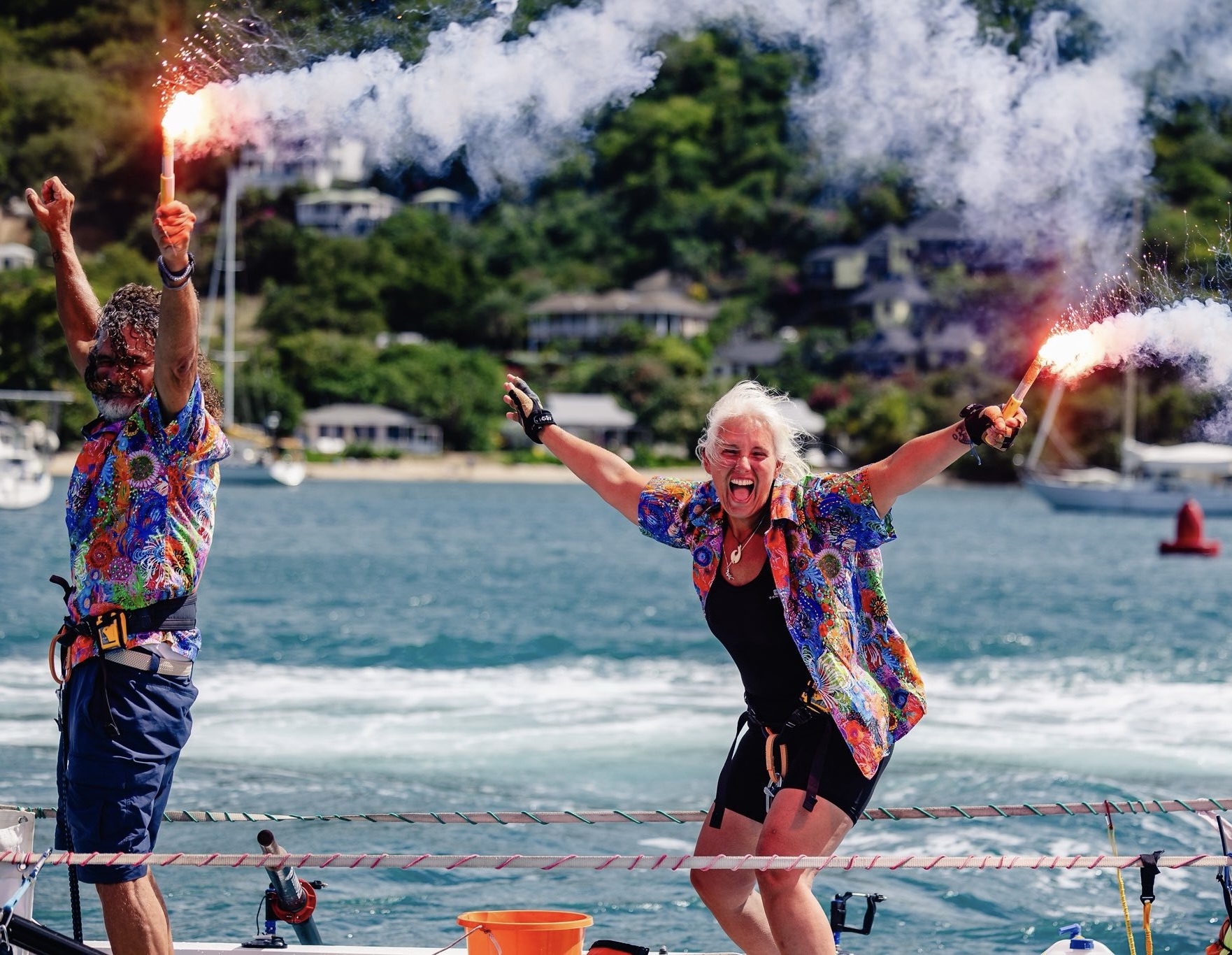
We’ve rowed and sailed oceans and learned what it takes to not give up.

This will test every bit of that experience. It is, without question, the toughest thing any of us has ever attempted.

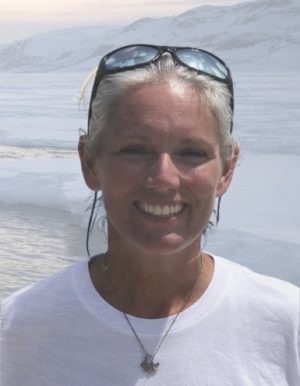
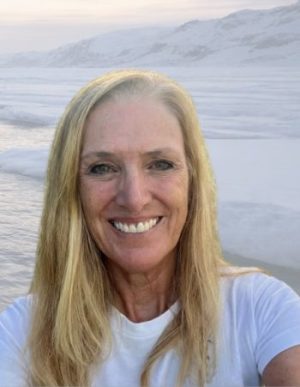
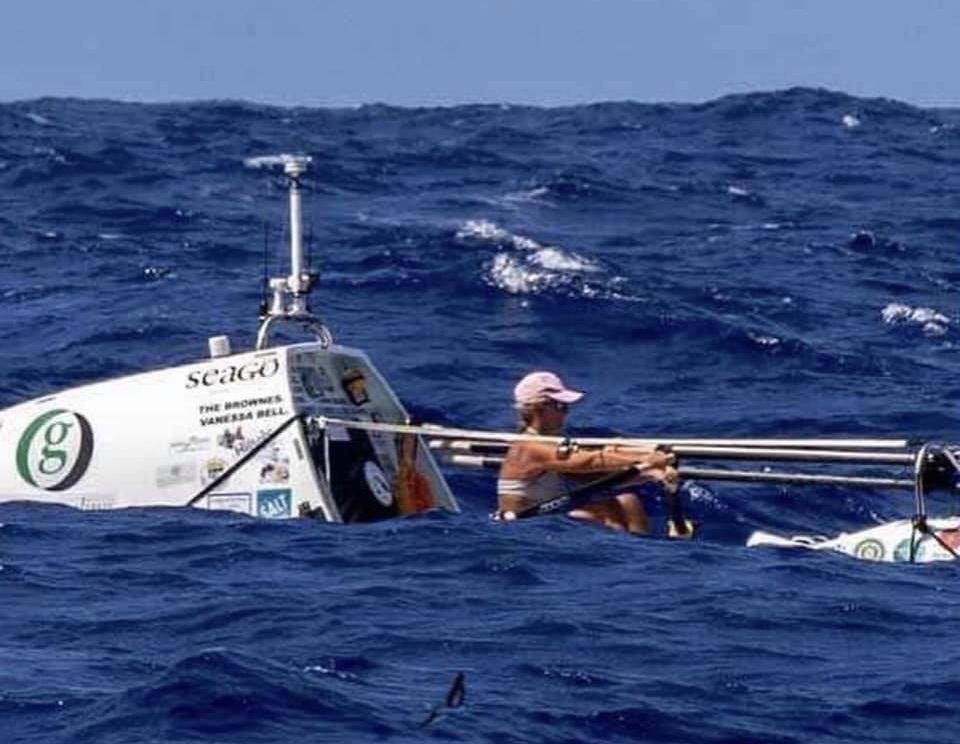
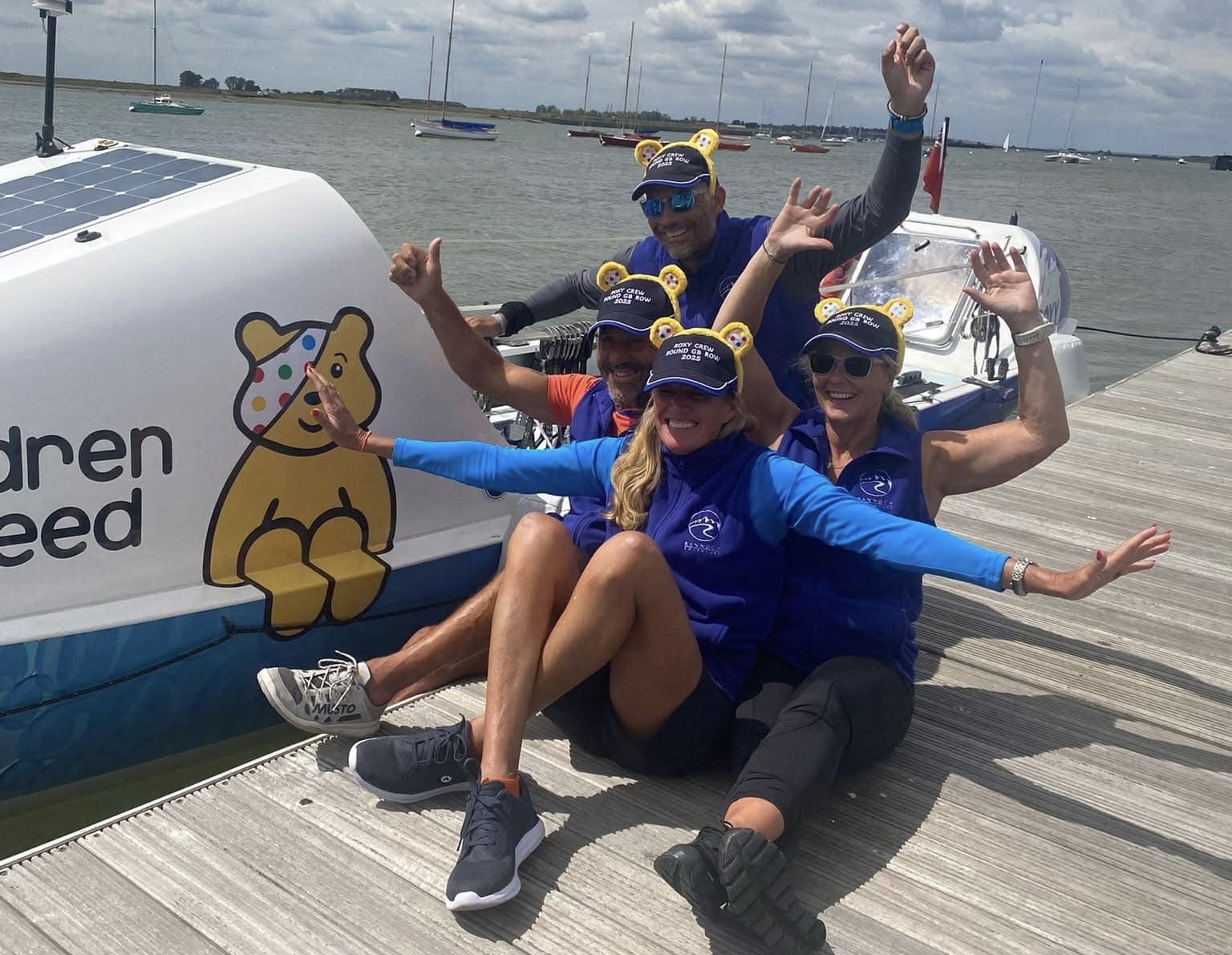
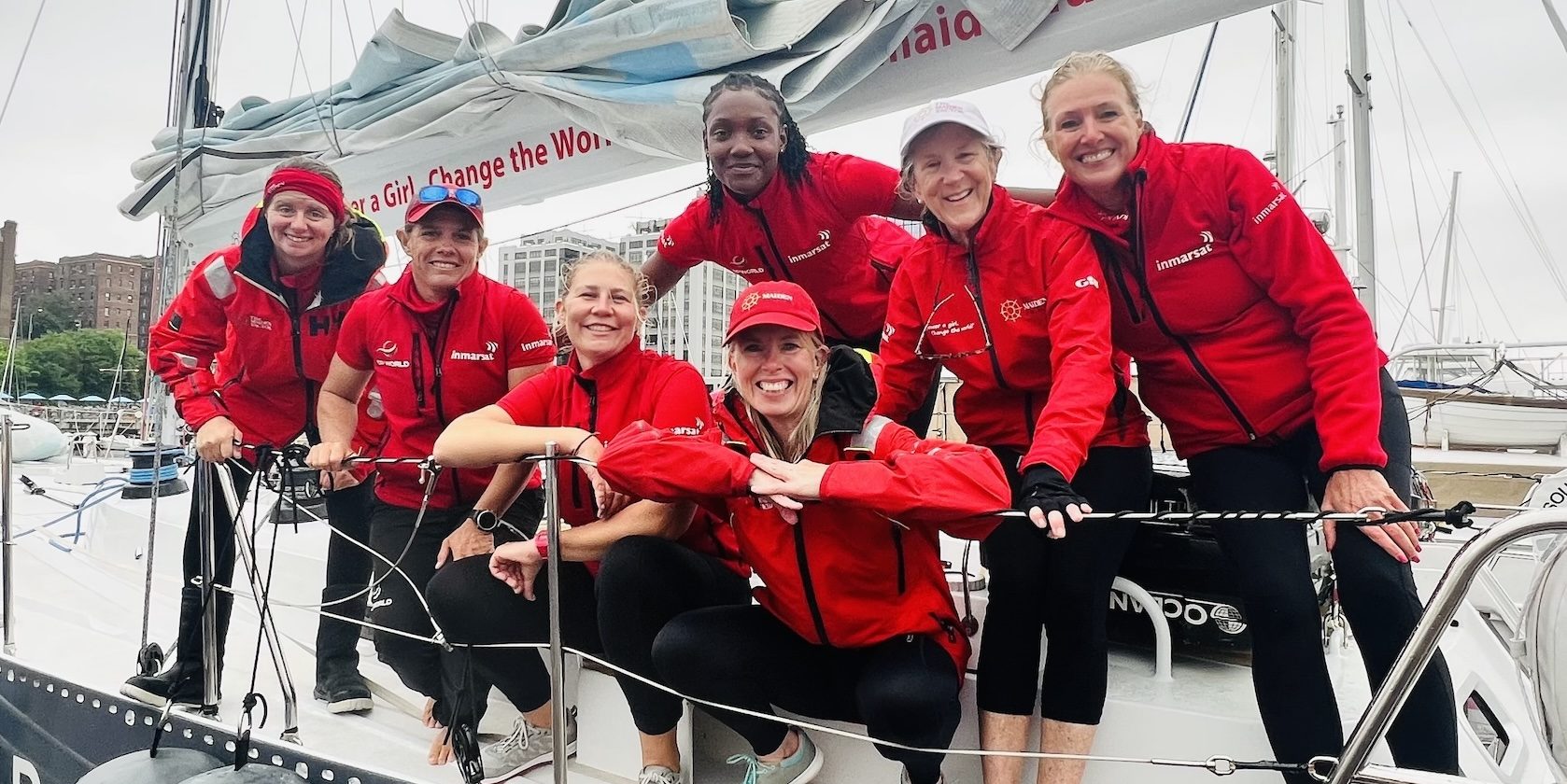
Louise Brown has twice rowed the Atlantic, first in 2021 with Dawn and again in 2025 with Neil. A lifelong adventurer, she has also sailed the Atlantic both ways and competed at Grand Prix Dressage level before turning to ocean challenges. Calm, capable, and endlessly positive, Louise thrives under pressure and brings a steady, good-humoured energy to every expedition. Her balance of grit and optimism makes her a vital part of the Anian team.

Neil Blackeby Retired firefighter, ocean rower and sailor. Neil has skippered two Atlantic rows, the second one with Louise. He has also rowed the Pacific from Monterey to Hawaii, and sailed extensively around the UK, Ireland and France, and sailed across the Atlantic to Barbados. Now managing boat operations and crew training for GB Row Challenge, Neil brings a wealth of experience, a calm head and an uncanny ability to solve problems when things don’t go to plan. Dependable, practical and quietly tough, he’s the person you want alongside you when conditions get challenging.


We leave from Pond Inlet on the northern tip of Baffin Island, heading east first to round Bylot Island before turning west into Lancaster Sound, the historic eastern gateway to the Northwest Passage. Every expedition that ever sought this route from the Atlantic came through here. Most turned back. Some never left.

From Lancaster Sound we turn south down Prince Regent Inlet, between Baffin Island and Somerset Island, to the entrance of Bellot Strait at Fort Ross. Bellot is barely half a mile wide in places, a granite corridor with vicious tidal streams, and if the ice hasn’t cleared it, it doesn’t let you through. If we have to wait, we wait.

Out the western side, we run south past Boothia towards King William Island and into the waters that ended the Franklin expedition. Erebus and Terror lie near here. We pass the Royal Geographical Society Islands and thread west through Queen Maud Gulf past Jenny Lind Island, rounding the southern shore of Victoria Island to reach Cambridge Bay, the one resupply of the entire route. Food and fuel come aboard. Then we keep on rowing.

West again through the narrowing channels between Victoria Island and the mainland, and out into the open water of Amundsen Gulf, where the Arctic stops being a maze and becomes an ocean. From there we hug the north Canadian coast past Cape Parry and Letty Harbour, then across the final open stretch to Tuktoyaktuk.

No rowing crew has ever seen that last headland from the water in the same season they left Pond Inlet.

We intend to be the first.


The Expedition Systems

  • Everything has to work. Every day. For eight weeks.
  • Where we’re going there is no marina, no chandlery and no rescue that arrives in hours rather than days. Every system aboard Altair, navigation, communications, power, has to run reliably through freezing spray, sub-zero nights and weeks without resupply. Kit that performs faultlessly on an Atlantic crossing fails in the Arctic. We’ve planned for that, not around it.
  • Power comes from a methanol fuel cell paired with self-heating batteries, chosen because solar is almost worthless under low angle Arctic sun and a dead battery up there isn’t an inconvenience, it’s an emergency.
  • Fresh water comes from the land, not a watermaker, removing the single most freeze-prone piece of equipment.
  • Navigation and communications run on redundant, independently powered systems, because up there a blank screen and a blank chart are the same thing.
  • None of this is over-engineering. It’s the difference between an expedition that keeps moving when conditions turn and one that becomes a headline for the wrong reasons.
  • Six rowing crews have learned that lesson before us. We’ve studied every one.

Partner With ANIAN

A partner doesn’t fund a rowing trip; they put their name on one of the last genuine firsts left on the planet, and on the story of how it was done.

That story doesn’t begin at the start line. From now until departure there is a boat launch, sea trials, Arctic training and a build-up documented across social media, talks and press, with the expedition itself tracked live for eight weeks and a documentary to follow. Partners are woven through all of it, not bolted on at the end.

For technical partners there’s something rarer still. The Arctic is the most honest test environment on earth. Equipment aboard Altair will be worked harder than any lab or trade show demo can manage, by professional users whose lives depend on it, and we report back plainly on what performed and what didn’t. That’s marketing material money can’t normally buy: your product, proven where failure isn’t an option.

What partnership includes: title, supporting and technical tiers with category exclusivity, brand placement on Altair and expedition clothing, live tracking integration, documentary and media presence, speaking events and employee engagement, and a full post-expedition technical review for equipment partners.

We’re deliberate about who we work with. If your brand belongs on this story, please talk to us.